Showing 13–18 of 122 results
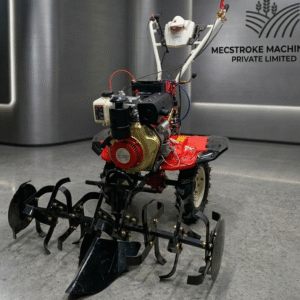 VEERSHAKTI 173FE/8HP(KAMA) DIESEL OPERATED ROTARY CULTIVATOR /POWER TILLER /POWER WEEDER WITH DOUBLE SHOCKER AND SELF START WITH BATTERY
Original price was: ₹58,500.00.₹55,000.00Current price is: ₹55,000.00.
MAHASHAKTI 173F/8HP(KAMA) DIESEL OPERATED ROTARY CULTIVATOR /POWER TILLER /POWER WEEDER WITH DOUBLE SHOCKER (Copy)
Original price was: ₹54,000.00.₹43,500.00Current price is: ₹43,500.00.
VEERSHAKTI 173FE/8HP(KAMA) DIESEL OPERATED ROTARY CULTIVATOR /POWER TILLER /POWER WEEDER WITH DOUBLE SHOCKER AND SELF START WITH BATTERY
Original price was: ₹58,500.00.₹55,000.00Current price is: ₹55,000.00.
MAHASHAKTI 173F/8HP(KAMA) DIESEL OPERATED ROTARY CULTIVATOR /POWER TILLER /POWER WEEDER WITH DOUBLE SHOCKER (Copy)
Original price was: ₹54,000.00.₹43,500.00Current price is: ₹43,500.00.
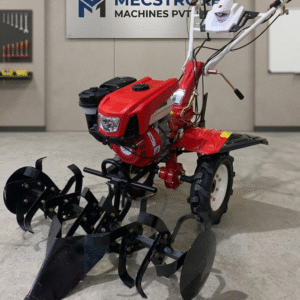 VEERSHAKTI 170F/7HP PETROL OPERATED ROTARY CULTIVATOR /POWER TILLER/ WEEDER 170F with HEAD LIGHT ATTACHMENT
Original price was: ₹37,375.00.₹29,900.00Current price is: ₹29,900.00.
VEERSHAKTI 170F/7HP PETROL OPERATED ROTARY CULTIVATOR /POWER TILLER/ WEEDER 170F with HEAD LIGHT ATTACHMENT
Original price was: ₹37,375.00.₹29,900.00Current price is: ₹29,900.00.
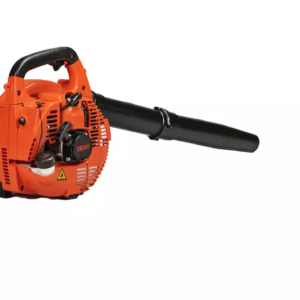
Mecstroke Brand 2 Stroke Handheld Leaf Blower is useful for cleaning areas with a large number of leaves, rain gutters, dusting, removal of shallow snow, cleaning puddles, chasing out rodents, drying surfaces, and building foam machines. This handheld leaf blower has a motor that runs on petrol with a fuel tank capacity of 0.5 L. Also, it has a displacement capability of 25.5 CC.
STROKE MACHINES is a dedicated manufacturer of power tools. Over the past 14 years, it has been leveraging its expertise in producing its range of machinery and equipment operating in the power sector. Mecstroke Brand 2 Stroke Handheld Leaf Blower has been developed by maintaining the standard of quality delivered by the brand.
Q1. What is the type of engine used for this leaf blower?
A1. The type of engine used for this leaf blower is 2-stoke air cooled.
Q2. Is the leaf blower safe for use?
A2. Users are required to maintain certain precautionary steps in order to use the blower safely. For instance, the blower pipe has to be faced toward the debris or leaves that are to be removed. Please avoid pointing the pipe towards oneself.
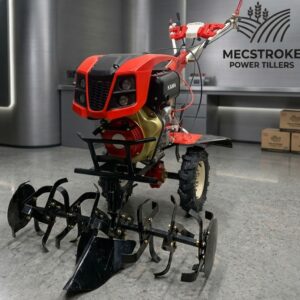
VEERSHAKTI/ MAHASHAKTI Brand Kama 188FE weeder is built for “hardcore” farming. Unlike smaller petrol weeders, this diesel variant provides the weight and “thumping” power needed to break hard, dry soil without bouncing.
Robust Build: Features a heavy-duty gearbox and a cast-iron engine body designed to withstand vibration and continuous long-hour operations.
Maneuverability: despite its weight, it usually features adjustable handles (up/down and left/right).
Versatility: The PTO (Power Take-Off) shaft allows you to attach various accessories such as:
Rotary Blades: For weeding and soil pulverizing.
Ridgers: For creating furrows/beds.
Plows: For deep soil turning.
Water Pumps/Sprayers: For irrigation and pest control.
Lighting: Many modern versions come equipped with a front LED headlight for early morning or late evening work.
Inter-cultivation: Weeding between rows of sugarcane, cotton, or fruit trees.
Land Preparation: Breaking up soil before sowing seeds.
Wetland Puddling: When fitted with specialized mud wheels, it can be used in small paddy fields.
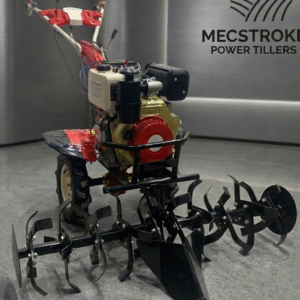
MAHASHAKTI Brand Kama 188FE weeder is built for “hardcore” farming. Unlike smaller petrol weeders, this diesel variant provides the weight and “thumping” power needed to break hard, dry soil without bouncing.
Robust Build: Features a heavy-duty gearbox and a cast-iron engine body designed to withstand vibration and continuous long-hour operations.
Maneuverability: despite its weight, it usually features adjustable handles (up/down and left/right) and “finger-lock” steering to help turn the machine in tight rows.
Versatility: The PTO (Power Take-Off) shaft allows you to attach various accessories such as:
Rotary Blades: For weeding and soil pulverizing.
Ridgers: For creating furrows/beds.
Plows: For deep soil turning.
Water Pumps/Sprayers: For irrigation and pest control.
Lighting: Many modern versions come equipped with a front LED headlight for early morning or late evening work.
Inter-cultivation: Weeding between rows of sugarcane, cotton, or fruit trees.
Land Preparation: Breaking up soil before sowing seeds.
Wetland Puddling: When fitted with specialized mud wheels, it can be used in small paddy fields.
.
VEERSHAKTI Kama 188F Power Weeder is a heavy-duty, diesel-powered agricultural machine designed for primary and secondary tillage. It is widely recognized for its high torque and fuel efficiency, making it a favorite for medium-to-large farmlands, orchards, and ginger/turmeric cultivation.
Characteristics
The 173F Power Weeder with Shocker (Suspension) is an upgraded version of the standard 7 HP diesel tiller. The “shocker” refers to a spring-loaded suspension system integrated into the handle or the front axle, designed to solve the biggest complaint with diesel weeders: vibration fatigue.
Standard diesel weeders can be physically demanding because diesel engines produce high vibration. The Shocker model is specifically engineered for comfort and precision.
The primary role of the shockers is to absorb the “kickback” when the blades hit hard soil or stones. This protects the operator’s wrists and shoulders, allowing for 4–6 hours of work without the typical numbness or fatigue.
The suspension helps keep the wheels or blades in more consistent contact with uneven ground. Instead of the machine “jumping” on hard patches, the shockers compress, allowing the blades to bite deeper into the soil.
Models equipped with shockers usually come with a “Heavy Duty” (HD) gearbox. Since these machines are expected to work in tougher conditions, the gears are often forged steel rather than cast, providing higher durability.
Most 173F Shocker models feature a “Long Handle” design. This gives the operator more leverage, and when combined with the shock absorbers, makes turning the machine at the end of a row much smoother.
Hilly or Stony Terrain: Where the ground is uneven and unpredictable.
Long-Duration Work: If you plan to use the weeder for more than 3 hours a day.
Inter-Cultivation: Perfect for weeding between rows of vegetables, flowers, or fruit trees where precision is key.
The 173FE is a robust, single-cylinder, 4-stroke diesel engine (though gasoline variants exist, the “173FE” designation is most commonly associated with air-cooled diesel power). It is widely used in agricultural and industrial machinery such as power tillers (weeders), generators, and water pumps.
The “E” in the model name specifically denotes the Electric Start capability, and “with shocker” usually refers to a built-in suspension or vibration-damping system (common on power weeders) to reduce operator fatigue.
Electric Start: Includes a starter motor and charging coil. You will typically need a 12V 18Ah – 36Ah battery (often sold separately) to use this feature.
Anti-Vibration (Shocker): Specialized mounting points or handle shocks that prevent the “jackhammer” effect on the user’s arms during field operations.
High Torque: Being a diesel engine, it provides higher torque at lower RPMs compared to gasoline engines, making it ideal for digging into tough soil.
Low Fuel Consumption: Typically consumes between 600 ml and 800 mlof diesel per hour under load.